Biography of Ki Hajar Dewantara, the Father of National Education
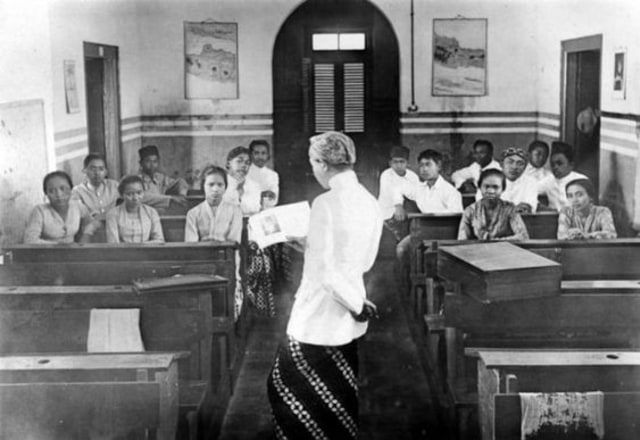
KI HAJAR DEWANTARA who was dubbed the Father of National Education was a hero who contributed to the world of education in Indonesia during the Dutch colonial period.
Ki Hajar Dewantara was born with the real name Raden Mas Soewardi Soerjaningrat. He was born in Yogyakarta on May 2, 1889. Born to Kanjeng Pangeran Haryo Sooeryaningrat and R.A Sandiah, Ki Hajar Dewantara was a descendant of the royal royal family of Sri Sultan Hamengkubuwono I.
For his services and sacrifices in the world of education, the date of his birth, May 2 was designated as National Education Day in Indonesia.
The following is a biographical review of the Father of National Education, Ki Hajar Dewantara, which is quoted from Ki Hadjar Dewantara's Educational Thoughts: A Study of the Among System in the Educational Process by Haryati, S.Pd. M.Si (2019:6).
Ki Hajar Dewantara's Life Journey
Since childhood, Ki Hajar Dewantara was classified as an agile, brave, and easy-going child. He is not ashamed to meet children of Indo-Dutch descent.
After being considered old enough, his father enrolled him in the Dutch III Elementary School. In this place, children of native origin and Dutch descent mingle to gain knowledge. As a result, Ki Hajar Dewantara was quite fluent in Dutch.
After graduating and getting the best predicate, he continued his education at the Yogyakarta Teacher's School (KweekSchool). His passion for studying education began to form in his personality. However, he only lasted about a year there.
In 1905 Ki Hajar Dewantara continued his studies at the STOVIA Jakarta medical school. During college, he was active in organizational activities with his friends. He was a member of the Boedi Oetomo organization whose political movements were quite worried by the Dutch.
After being active in organization, he also got to know Soetomo, Douwes Dekker, Tjipto Mangoenkoesoemo, and other important movement figures. He was also a member of the Indische Partij, a political party formed by Douwes Dekker, a foreigner who ignited the spirit of anti-colonialism.
Busy activities outside the campus are an obstacle in Ki Hajar Dewantara's lectures. In mid-1909, he was forced to leave Stovia. One of the reasons was that Ki Hajar Dewantara's parents could not afford his tuition. However, this failure did not make KI Hajar Dewantara despair.
Writing skills
Ki Hajar Dewantara is also good at writing. His name is increasingly popular in the country through his writings which are quite weighty and thick with the nuances of struggle and defense for the interests of the people.
Sometimes his writings also include criticism of the policies of the Dutch government. His work entitled “Als ik een Nederlander wes” or “If I were a Dutchman” was able to disturb the Dutch. Finally, the Dutch were furious and sent Ki Hajar Dewantara to prison, to be precise in the area of Bangka Island.
Student Park Founder
Besides being exiled on the island of Bangka, Ki Hajar Dewantara was also exiled to the Netherlands. But this exile actually made him think more critically about education.
Ki Hajar Dewantara had received a Europeeche Deed or diploma in the field of education. This is what Ki Hajar Dewantara equips to start the educational institution he founded and also influences him in developing educational regulations.
Arriving in Indonesia, Ki Hajar Dewantara founded the Taman Siswa organization. The purpose of the establishment of this organization was to ensure that all indigenous children continued to receive equal education with the priyayi and Dutch society in Indonesia at that time.
There are three slogans of Ki Hajar Dewantara which were famous when he founded Taman Siswa. This motto reads: "Ing Ngarso Sung Tulodho (in front giving examples), Ing Madya Mangun Karso (in the middle giving encouragement), and Tut Wuri Handayani (in the back giving encouragement)."
As is known, the slogan of Tut Wuri Handayani has also become the slogan of the Ministry of Education until now.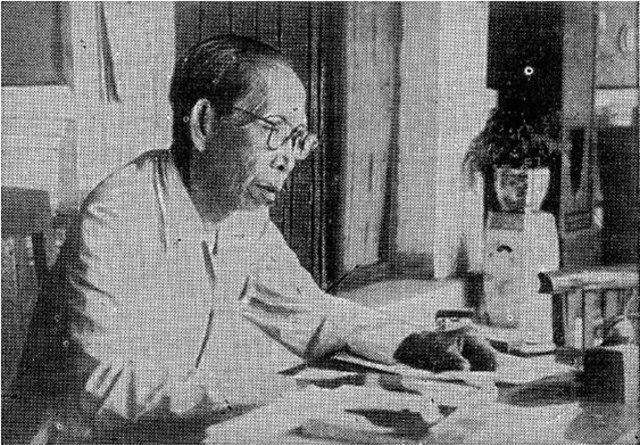
Komentar
Posting Komentar